


Maintaining a manual metal gate is essential for its longevity, functionality, and aesthetic appeal. As a supplier of manual metal gates, including Manual Pedestrian Gates, Manual Sliding Gates, and Manual Driveway Gates, I understand the importance of proper maintenance. In this blog, I'll share some valuable tips on how to keep your manual metal gate in top - notch condition.
Regular Cleaning
The first step in maintaining a manual metal gate is regular cleaning. Over time, dirt, dust, grime, and other environmental pollutants can accumulate on the gate's surface. This not only makes the gate look unappealing but can also lead to corrosion if left untreated.
For routine cleaning, use a mild detergent mixed with warm water. A soft - bristled brush or a sponge is ideal for scrubbing the gate. Start from the top and work your way down, making sure to clean all the nooks and crannies. Pay special attention to areas where dirt tends to collect, such as around hinges, latches, and the bottom of the gate.
After scrubbing, rinse the gate thoroughly with clean water. This will remove any remaining detergent and dirt particles. It's important to dry the gate completely to prevent water spots and rust formation. You can use a clean, dry cloth or allow the gate to air - dry in the sun.
Inspecting for Damage
Regular inspections are crucial to catch any potential problems early. Walk around the gate and visually examine it for signs of damage. Look for cracks, dents, or any loose parts. Check the hinges to ensure they are secure and functioning smoothly. If you notice any squeaking or resistance when opening or closing the gate, it could be a sign of a problem with the hinges.
Examine the latches and locks as well. Make sure they are in good working condition and can be easily opened and closed. A faulty latch or lock can compromise the security of your property. If you find any damaged parts, it's important to replace them as soon as possible. Using a damaged gate can lead to further problems and may even pose a safety hazard.
Lubricating Moving Parts
The moving parts of a manual metal gate, such as hinges, latches, and rollers, need to be lubricated regularly. Lubrication reduces friction, which in turn extends the lifespan of these components and ensures smooth operation.
For hinges and latches, a silicone - based lubricant is a good choice. Silicone lubricants are water - resistant and do not attract dirt and dust. Apply the lubricant to the hinge pins and the moving parts of the latch. Use a small brush or a spray nozzle to ensure even coverage.
If your gate has rollers, such as in the case of a sliding gate, use a lubricant specifically designed for rollers. Apply the lubricant to the rollers and the tracks they run on. This will prevent the rollers from getting stuck and make the gate easier to open and close.
Preventing Rust
Rust is one of the biggest enemies of a metal gate. It can weaken the structure of the gate and make it look unsightly. To prevent rust, it's important to keep the gate's protective coating intact. Most manual metal gates come with a powder - coated finish, which provides a layer of protection against the elements.
If you notice any chips or scratches in the powder - coated finish, touch them up as soon as possible. You can purchase touch - up paint that matches the color of your gate. Clean the area around the chip or scratch thoroughly before applying the touch - up paint. This will ensure good adhesion and a seamless finish.
In areas with high humidity or near the ocean, where the air is salty, you may need to take extra precautions. Consider applying a rust - resistant primer to the gate periodically. This will provide an additional layer of protection against rust formation.
Adjusting the Gate
Over time, a manual metal gate may become misaligned. This can cause problems with opening and closing the gate and may even prevent it from latching properly. If you notice that the gate is not closing evenly or is rubbing against the frame, it may need to be adjusted.
For a swinging gate, check the hinges. If the gate is sagging, you may need to tighten the hinge screws or adjust the position of the hinges. You can use a level to ensure the gate is plumb. For a sliding gate, check the tracks. Make sure they are clean and free of debris. If the gate is not sliding smoothly, you may need to adjust the rollers or realign the tracks.
Painting or Refinishing
If your manual metal gate is starting to look worn out, painting or refinishing it can give it a new lease on life. Before painting, make sure the gate is clean and dry. Remove any loose paint, rust, or dirt using a wire brush or sandpaper. This will create a smooth surface for the new paint to adhere to.
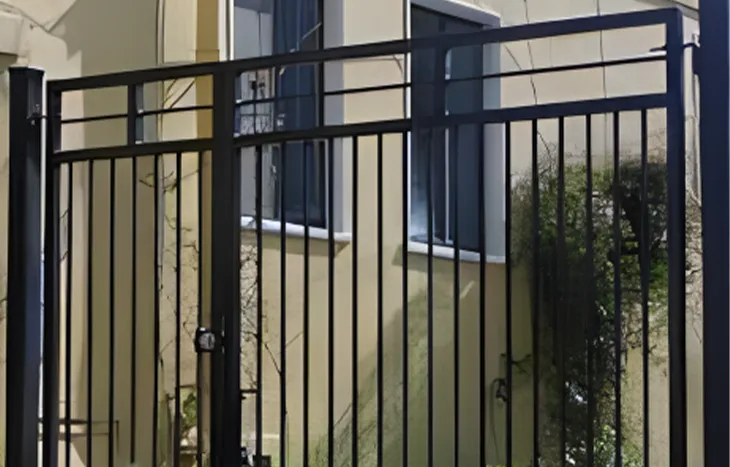

Choose a high - quality paint that is suitable for metal surfaces. Primer is often recommended to improve adhesion and provide better protection against rust. Apply the primer in thin, even coats and allow it to dry completely according to the manufacturer's instructions.
Once the primer is dry, apply the topcoat of paint. You can use a brush, roller, or spray gun, depending on your preference and the size of the gate. Apply multiple thin coats for a more durable and professional - looking finish. Allow each coat to dry before applying the next one.
Maintaining the Surrounding Area
The area around the manual metal gate also plays a role in its maintenance. Keep the ground around the gate clear of debris, such as leaves, branches, and dirt. This will prevent the accumulation of moisture, which can lead to rust and damage to the gate.
Trim any overgrown plants or shrubs that may be touching the gate. Plant branches can scratch the gate's surface and may also provide a pathway for moisture to reach the metal. Additionally, make sure the gate has enough clearance when opening and closing. There should be no obstacles in the way that could cause the gate to hit something and get damaged.
Seasonal Maintenance
Different seasons can have different effects on a manual metal gate. In the winter, for example, snow and ice can accumulate on the gate and cause damage. If you live in an area with harsh winters, it's important to clear snow and ice from the gate as soon as possible. Use a soft broom or a snow shovel to remove the snow gently. Avoid using sharp objects that could scratch the gate.
In the summer, the gate may be exposed to extreme heat and sunlight. This can cause the paint to fade and the metal to expand. Check the gate regularly during the summer months for any signs of damage or wear. You may also want to consider applying a UV - resistant coating to the gate to protect it from the sun's rays.
Conclusion
Maintaining a manual metal gate is not a difficult task, but it does require regular attention. By following these tips, you can keep your gate in excellent condition for many years to come. A well - maintained gate not only enhances the appearance of your property but also provides security and functionality.
If you're in the market for a new manual metal gate or need assistance with maintenance, we're here to help. As a supplier of Manual Pedestrian Gates, Manual Sliding Gates, and Manual Driveway Gates, we have a wide range of options to suit your needs. Contact us to discuss your requirements and start a procurement negotiation.
References
- "Homeowner's Guide to Metal Gate Maintenance" by Home Improvement Magazine
- "The Complete Book of Metal Gate Care" by Hardware Experts Publishing