


Hey there! I'm a supplier of stair handrails, and today I wanna chat about the scratch - resistance of different stair handrail materials. It's a super important factor to consider when you're choosing the right handrail for your stairs, whether it's for your home or a commercial building.
Let's start with wood. Wood handrails are classic and add a warm, natural look to any space. But when it comes to scratch - resistance, they're a bit of a mixed bag. Softwoods like pine are, well, soft. They're easily scratched by sharp objects or even just normal wear and tear. If you have kids or pets running up and down the stairs, you might notice scratches on a pine handrail pretty quickly.
On the other hand, hardwoods like oak or mahogany are more scratch - resistant. Their dense grain structure makes them tougher. However, they're not invincible. A really sharp object can still leave a mark. And over time, if you're constantly brushing against the handrail with something rough, the finish on the wood can start to wear off, exposing the wood beneath and making it more prone to scratches.
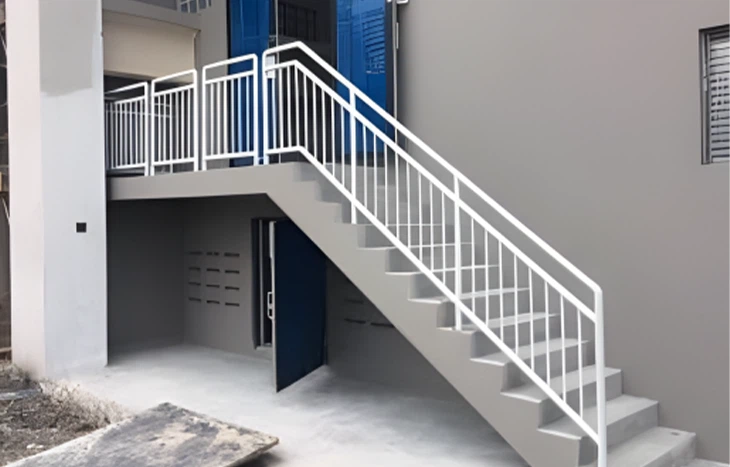
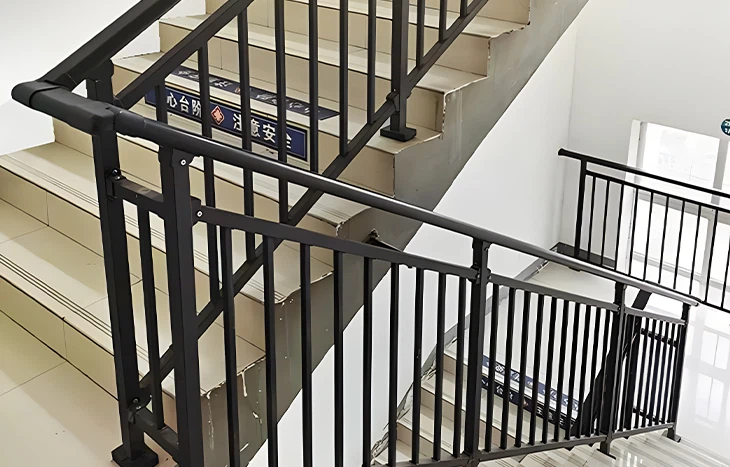
Now, let's talk about metal. Metal handrails are popular for both indoor and outdoor use. There are different types of metals, each with its own level of scratch - resistance.
First up is steel. Steel is a strong and durable material. For outdoor use, Steel Handrail Outdoor is a great option. It can withstand a lot of abuse. The surface of a well - treated steel handrail is quite hard. It can resist scratches from normal contact, like people holding onto it as they go up and down the stairs. But it's not completely immune. If you drag something sharp across it, you might get a scratch. And if the steel isn't properly coated or protected, it can rust over time, which can also damage the surface and make it look less appealing.
Aluminum is another metal commonly used for handrails. It's lightweight and corrosion - resistant. Aluminum handrails are generally more scratch - resistant than some other materials. They have a natural oxide layer on the surface that provides a certain level of protection. However, this layer can be damaged if you use abrasive cleaners or tools on the handrail. Once the oxide layer is compromised, the aluminum becomes more vulnerable to scratches.
For indoor use, Metal Stair Handrail Indoor is a great choice. You can get different finishes on metal handrails, like powder - coating. Powder - coating not only gives the handrail a nice look but also adds an extra layer of protection against scratches. It's like a tough shield that helps prevent scratches from everyday use.
Next, we have glass. Glass handrails are modern and sleek, giving a very open and airy feel to a space. But how scratch - resistant are they? Well, it depends on the type of glass. Tempered glass is a popular choice for handrails. It's stronger than regular glass and more scratch - resistant. However, it's not as scratch - resistant as some metals or hardwoods. A sharp object can still scratch tempered glass, and once it's scratched, it's pretty noticeable.
Acrylic is sometimes used as an alternative to glass. It's lighter and more flexible than glass. Acrylic handrails are also more scratch - resistant than you might think. But they do require some special care. Using the wrong cleaner can cause scratches on the acrylic surface.
Plastic is another option for stair handrails. There are different types of plastics, and their scratch - resistance varies. Some high - quality plastics are designed to be quite scratch - resistant. They can handle normal use without getting scratched easily. However, lower - quality plastics may scratch more readily. And over time, exposure to sunlight and other environmental factors can make them more brittle and prone to scratching.
So, how do you choose the right handrail material based on scratch - resistance? Well, it depends on your specific needs. If you're in a high - traffic area, like a commercial building or a home with a lot of activity, you'll probably want a more scratch - resistant material like steel or a high - quality plastic. If you're going for a more aesthetic look and don't mind a few scratches over time, wood or glass might be a good choice.
Also, keep in mind that the finish of the handrail can make a big difference in its scratch - resistance. A good quality finish can add an extra layer of protection. And proper maintenance is key. Regular cleaning and using the right products can help keep your handrail looking good and reduce the risk of scratches.
If you're in the market for stair handrails and want to learn more about the scratch - resistance of different materials or have any other questions, don't hesitate to reach out. I'm here to help you make the best choice for your project. Whether you need a handrail for a small residential staircase or a large commercial building, I've got a wide range of options to suit your needs. Let's have a chat and see how we can work together to get you the perfect stair handrail.
References
- General knowledge of construction materials and their properties
- Industry experience in supplying stair handrails