


Installing a chain link fence mesh around a tree can be a practical and aesthetic solution for various reasons, such as protecting the tree from damage, defining boundaries, or enhancing the overall security of an area. As a chain link fence mesh supplier, I've had the opportunity to see firsthand the benefits and challenges of this type of installation. In this blog post, I'll guide you through the process of installing chain link fence mesh around a tree, from planning to the final touches.
Planning Your Installation
Before you start the installation process, it's crucial to plan carefully. Here are some key steps to consider:
Assess the Tree and the Area
First, take a close look at the tree and the surrounding area. Measure the circumference of the tree at the desired height for the fence. Consider the root system of the tree to avoid causing damage during installation. Also, check for any underground utilities or obstacles that could interfere with the fence posts.
Determine the Purpose of the Fence
Are you installing the fence to protect the tree from animals, define a property boundary, or enhance security? The purpose of the fence will influence the type of chain link fence mesh you choose. For example, if you need a more secure fence, you might opt for a Compact Chain Link Fence, which has a smaller mesh size and is more difficult to penetrate.
Choose the Right Chain Link Fence Mesh
There are several types of chain link fence mesh available, each with its own characteristics and benefits. Consider factors such as the gauge of the wire, the mesh size, and the coating. A thicker gauge wire will be more durable, while a smaller mesh size will provide better security. A galvanized or PVC-coated mesh will offer better protection against rust and corrosion.
Select the Fence Posts
The fence posts are an essential part of the installation. They need to be strong enough to support the weight of the chain link fence mesh and withstand the elements. You can choose from metal, wood, or concrete posts. Metal posts are a popular choice because they are durable and easy to install. Make sure the posts are long enough to be securely anchored in the ground.
Gathering the Necessary Tools and Materials
Once you've completed the planning phase, it's time to gather the tools and materials you'll need for the installation. Here's a list of the essentials:
- Chain link fence mesh
- Fence posts
- Post hole digger
- Level
- Tape measure
- Wire cutters
- Pliers
- Zip ties or fence clips
- Concrete (if using concrete posts)
Installing the Fence Posts
The first step in the installation process is to install the fence posts. Here's how to do it:
Mark the Post Locations
Using a tape measure and stakes, mark the locations where you'll install the fence posts. Make sure the posts are evenly spaced and aligned with the tree. Leave enough space between the tree and the posts to allow for growth.
Dig the Post Holes
Use a post hole digger to dig the holes for the fence posts. The depth of the holes will depend on the height of the fence and the type of soil. As a general rule, the holes should be at least one-third the height of the posts. Make sure the holes are straight and the same depth.
Set the Posts in the Holes
Place the fence posts in the holes and use a level to make sure they are plumb. If you're using concrete posts, mix the concrete according to the manufacturer's instructions and pour it into the holes around the posts. Use a trowel to smooth the surface of the concrete.
Let the Concrete Cure
If you've used concrete, allow it to cure for at least 24 hours before proceeding with the installation of the chain link fence mesh. This will ensure that the posts are securely anchored in the ground.
Installing the Chain Link Fence Mesh
Once the fence posts are installed and the concrete has cured, it's time to install the chain link fence mesh. Here's how to do it:
Unroll the Chain Link Fence Mesh
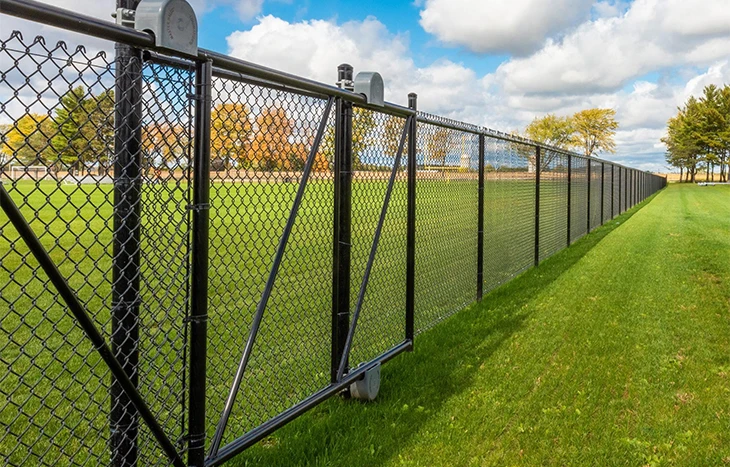
Start at one end of the fence and unroll the chain link fence mesh along the line of the posts. Make sure the mesh is straight and aligned with the posts.

Attach the Mesh to the Posts
Use zip ties or fence clips to attach the chain link fence mesh to the posts. Start at the top of the mesh and work your way down, securing the mesh at regular intervals. Make sure the mesh is taut and there are no gaps between the mesh and the posts.
Cut the Mesh to Size
Use wire cutters to cut the chain link fence mesh to the desired length. Leave a little extra mesh at the ends to allow for adjustments.
Bend the Mesh Around the Tree
If you're installing the fence around a tree, you'll need to bend the chain link fence mesh around the tree. Use pliers to gently bend the mesh to fit the shape of the tree. Make sure the mesh is not too tight around the tree, as this could damage the bark.
Secure the Mesh at the Tree
Use zip ties or fence clips to secure the chain link fence mesh to the tree. Make sure the mesh is securely attached to the tree, but not so tight that it restricts the growth of the tree.
Finishing Touches
Once the chain link fence mesh is installed, there are a few finishing touches you can add to enhance the appearance and functionality of the fence.
Trim the Excess Mesh
Use wire cutters to trim any excess mesh from the ends of the fence. This will give the fence a clean and professional look.
Add a Top Rail
A top rail can add extra strength and stability to the chain link fence. You can choose from metal or wood top rails. Use brackets or clips to attach the top rail to the fence posts.
Paint or Stain the Fence
If you want to enhance the appearance of the fence, you can paint or stain it. Choose a paint or stain that is suitable for the type of material used in the fence. Make sure to follow the manufacturer's instructions for application.
Maintenance and Care
To ensure the longevity of your chain link fence mesh, it's important to perform regular maintenance and care. Here are some tips:
- Inspect the fence regularly for any signs of damage, such as loose wires or rust.
- Repair any damage as soon as possible to prevent it from getting worse.
- Clean the fence periodically to remove dirt, debris, and rust. You can use a mild detergent and water to clean the fence.
- If the fence is located in an area with heavy snow or ice, make sure to remove the snow and ice from the fence to prevent damage.
Conclusion
Installing a chain link fence mesh around a tree can be a rewarding project that adds both functionality and aesthetic appeal to your property. By following the steps outlined in this blog post, you can ensure a successful installation. As a chain link fence mesh supplier, I'm here to help you choose the right products for your needs. If you have any questions or need further assistance, please don't hesitate to contact me. I look forward to discussing your project and helping you find the perfect chain link fence mesh solution.
References
- "Chain Link Fence Installation Guide." Home Depot.
- "How to Install a Chain Link Fence." Lowe's.
- "Tree Protection Fencing." Arbor Day Foundation.