


Installing a road fence in a narrow space presents unique challenges that require careful planning and the right approach. As a road fence supplier, I've encountered numerous scenarios where customers need to install fences in confined areas. In this blog post, I'll share some valuable insights and practical steps on how to successfully install a road fence in a narrow space.
Understanding the Challenges of Narrow Spaces
Before diving into the installation process, it's crucial to understand the challenges associated with narrow spaces. Limited room for maneuvering equipment and materials can slow down the installation process and increase the risk of accidents. Additionally, the close proximity to existing structures or traffic may require special safety precautions.
One of the primary challenges is ensuring that the fence posts are properly aligned and secured. In a narrow space, there may not be enough room to use traditional installation methods, such as digging large holes for the posts. This means that alternative methods, such as using concrete footings or anchor bolts, may be necessary.
Another challenge is dealing with obstacles, such as utility lines or tree roots. These obstacles can make it difficult to install the fence and may require additional planning and coordination to avoid damage.
Selecting the Right Road Fence
The first step in installing a road fence in a narrow space is selecting the right type of fence. There are several factors to consider when choosing a fence, including the purpose of the fence, the available space, and the budget.
For narrow spaces, a lightweight and modular fence system is often the best choice. These fences are easy to install and can be customized to fit the specific dimensions of the space. Additionally, they are typically made from durable materials, such as aluminum or steel, which can withstand the elements and provide long-lasting protection.
Some popular types of road fences for narrow spaces include Road Safety Fence, Dock Road Fencing, and Highway Road Fence. These fences are designed to provide a high level of safety and security while taking up minimal space.
Planning the Installation
Once you've selected the right fence, the next step is to plan the installation. This involves measuring the space, marking the location of the fence posts, and preparing the ground.
Start by measuring the length and width of the space where the fence will be installed. This will help you determine the number of fence panels and posts you'll need. Make sure to account for any obstacles or irregularities in the space, such as curves or slopes.
Next, mark the location of the fence posts using stakes and string. This will help you ensure that the posts are properly aligned and spaced evenly. Make sure to leave enough room between the posts for the fence panels to fit securely.
Finally, prepare the ground for the installation. This may involve clearing the area of any debris or vegetation, leveling the ground, and digging holes for the fence posts. If you're using concrete footings or anchor bolts, make sure to follow the manufacturer's instructions carefully.
Installing the Fence Posts
Once the ground is prepared, it's time to install the fence posts. This is a critical step in the installation process, as the posts provide the foundation for the fence.
Start by placing the fence posts in the holes and ensuring that they are level and plumb. Use a level to check the vertical and horizontal alignment of the posts, and make any necessary adjustments.

Next, fill the holes with concrete or gravel to secure the posts in place. Make sure to follow the manufacturer's instructions for the type of concrete or gravel you're using, and allow enough time for the concrete to dry before proceeding with the installation.
If you're using anchor bolts, make sure to drill the holes in the ground to the appropriate depth and size. Insert the anchor bolts into the holes and tighten them using a wrench or socket.

Installing the Fence Panels
Once the fence posts are installed and secured, it's time to install the fence panels. This is a relatively straightforward process, but it's important to take your time and ensure that the panels are properly aligned and attached to the posts.
Start by placing the first fence panel between two posts and aligning it with the top and bottom of the posts. Use a level to check the vertical and horizontal alignment of the panel, and make any necessary adjustments.
Next, attach the panel to the posts using the appropriate hardware, such as screws or bolts. Make sure to tighten the hardware securely to ensure that the panel is firmly attached to the posts.
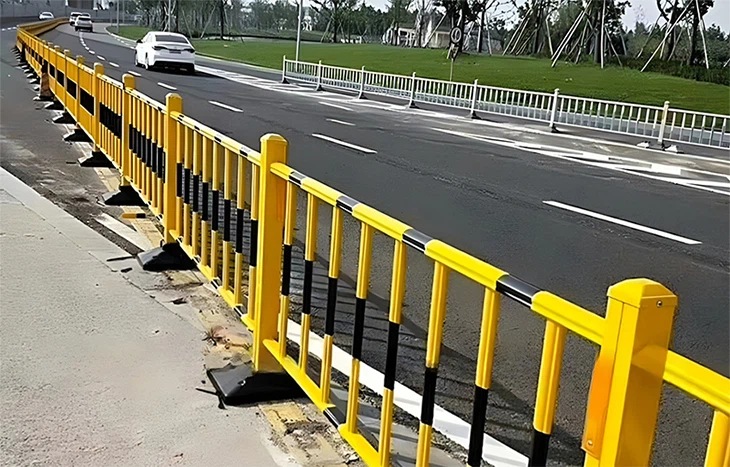
Repeat this process for each fence panel, working your way along the length of the fence. Make sure to leave a small gap between each panel to allow for expansion and contraction due to changes in temperature.
Finishing Touches
Once the fence panels are installed, it's time to add the finishing touches. This may include installing gates, adding decorative elements, or painting the fence to match the surrounding environment.
If you're installing a gate, make sure to choose a gate that is the appropriate size and style for the fence. Make sure to install the gate hardware correctly and adjust the gate to ensure that it opens and closes smoothly.
If you're adding decorative elements, such as post caps or finials, make sure to choose elements that are compatible with the fence and the surrounding environment. Make sure to install the decorative elements securely to ensure that they don't come loose or fall off.
Finally, if you're painting the fence, make sure to choose a paint that is suitable for the type of material the fence is made from. Make sure to follow the manufacturer's instructions for applying the paint, and allow enough time for the paint to dry before using the fence.
Safety Considerations
Installing a road fence in a narrow space can be a dangerous task, so it's important to take the necessary safety precautions. Here are some safety tips to keep in mind:
- Wear appropriate safety gear, such as hard hats, safety glasses, and work gloves.
- Use caution when working with power tools and equipment.
- Make sure to follow all safety instructions and guidelines provided by the manufacturer.
- Be aware of your surroundings and watch out for any potential hazards, such as traffic or utility lines.
- If you're working in a confined space, make sure to provide adequate ventilation to prevent the buildup of harmful gases.
Conclusion
Installing a road fence in a narrow space requires careful planning, the right equipment, and the right approach. By following the tips and guidelines outlined in this blog post, you can ensure that your fence is installed safely and securely, providing long-lasting protection and peace of mind.
If you're interested in purchasing a road fence for your narrow space, please don't hesitate to contact us. Our team of experts can help you choose the right fence for your needs and provide you with a free quote. We look forward to working with you!

References
- American Fence Association. (n.d.). Fence Installation Guide. Retrieved from [Website URL]
- National Association of Home Builders. (n.d.). Building a Fence. Retrieved from [Website URL]
- Occupational Safety and Health Administration. (n.d.). Construction Safety and Health. Retrieved from [Website URL]