


Installing a manual sliding gate on a sloped surface can be a challenging yet rewarding project. As a supplier of Manual Sliding Gates, I've witnessed firsthand the benefits of a well - installed sliding gate, even on uneven terrain. In this blog, I'll guide you through the process step by step, ensuring that your gate functions smoothly and securely.
Understanding the Challenges of a Sloped Surface
Before you start the installation, it's crucial to understand the unique challenges that a sloped surface presents. Gravity will have a significant impact on the gate's movement. If not properly addressed, the gate may tend to roll downhill, making it difficult to open and close. Additionally, the foundation for the gate track needs to be carefully planned to ensure stability and prevent the gate from sagging or binding over time.
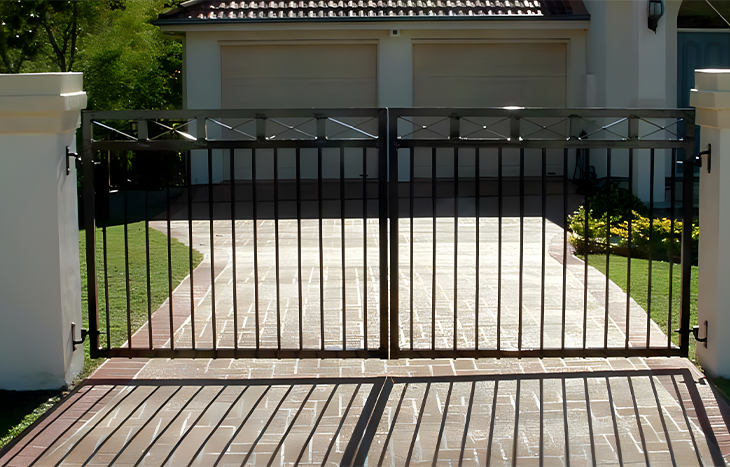

Site Assessment
The first step in any gate installation is a thorough site assessment. Measure the slope of the surface where the gate will be installed. You can use a level and a measuring tape to determine the rise and run of the slope. A gentle slope of up to 5% can usually be managed with standard installation techniques, but steeper slopes may require more specialized solutions.
Also, check the soil type. Soft or unstable soil may need to be compacted or reinforced to support the gate and its track. Look for any underground utilities such as water pipes, electrical lines, or gas lines that could interfere with the installation.
Planning the Gate Installation
- Gate Selection: Choose a gate that is suitable for your needs and the slope of the surface. Manual Driveway Gates are typically larger and heavier, while Manual Pedestrian Gates are smaller and more lightweight. Make sure the gate is designed to handle the stress of being on a slope.
- Track Design: The track is the key to a successful installation on a sloped surface. You have two main options: a straight track or a curved track. A straight track is simpler to install but may require additional hardware to counteract the effects of gravity. A curved track can follow the contour of the slope more closely, providing a smoother movement for the gate.
Preparing the Site
- Clearing the Area: Remove any vegetation, rocks, or debris from the area where the gate and track will be installed. This will ensure a clean and level surface for the foundation.
- Marking the Layout: Use stakes and string to mark the location of the gate and the track. Make sure the layout is straight and aligned with the opening where the gate will be installed.
- Excavating the Foundation: Dig a trench for the track foundation. The depth and width of the trench will depend on the type of track and the slope of the surface. For a gentle slope, a trench that is 6 - 8 inches deep and 8 - 10 inches wide may be sufficient. For steeper slopes, you may need to dig deeper and wider to provide more stability.
Installing the Track
- Leveling the Track: Place the track in the trench and use a level to ensure it is straight and level. On a sloped surface, you may need to shim the track in some areas to achieve the proper alignment. Make sure the track is parallel to the gate opening and that there is enough clearance for the gate to slide freely.
- Securing the Track: Once the track is level, secure it in place using concrete or epoxy. Pour the concrete into the trench around the track, making sure it fills all the gaps and provides a solid foundation. Allow the concrete to cure according to the manufacturer's instructions.
Installing the Gate
- Hanging the Gate: Lift the gate onto the track and align it with the opening. Use a level to ensure the gate is vertical and that it hangs evenly on the track. You may need to adjust the position of the gate slightly to ensure a proper fit.
- Installing the Hardware: Attach the rollers and other hardware to the gate according to the manufacturer's instructions. Make sure the hardware is properly tightened and that the rollers are aligned with the track. Test the gate to make sure it slides smoothly along the track.
Adjusting the Gate for the Slope
- Counterbalancing: To counteract the effects of gravity on a sloped surface, you may need to install a counterbalance system. This can be a simple weight or a more complex spring - loaded mechanism. The counterbalance system will help to keep the gate in place and make it easier to open and close.
- Lubricating the Track: Regularly lubricate the track to ensure smooth operation. Use a high - quality lubricant that is suitable for outdoor use and can withstand the elements.
Testing and Finishing
- Testing the Gate: Once the gate is installed and adjusted, test it several times to make sure it opens and closes smoothly. Check for any signs of binding or resistance. If you notice any problems, make the necessary adjustments to the gate or the track.
- Finishing Touches: Apply a coat of paint or protective finish to the gate to prevent rust and corrosion. This will not only enhance the appearance of the gate but also extend its lifespan.
Maintenance Tips
- Regular Inspections: Periodically inspect the gate and the track for any signs of wear or damage. Check the rollers, hinges, and other hardware to make sure they are in good condition.
- Cleaning the Track: Keep the track clean and free of debris. Use a brush or a blower to remove any dirt, leaves, or other objects that may accumulate on the track.
- Adjusting the Gate: Over time, the gate may need to be adjusted to maintain its proper alignment and operation. Check the tension of the counterbalance system and make any necessary adjustments.
Conclusion
Installing a manual sliding gate on a sloped surface requires careful planning, precise installation, and regular maintenance. By following the steps outlined in this blog, you can ensure that your gate functions smoothly and securely for years to come. If you have any questions or need further assistance with your gate installation, don't hesitate to contact us. We are here to help you choose the right gate and provide you with the support you need for a successful installation. Whether you are looking for a Manual Driveway Gate or a Manual Pedestrian Gate, we have a wide range of options to meet your needs. Reach out to us today to discuss your project and start the process of enhancing your property with a high - quality manual sliding gate.
References
- Gate Installation Guides from Industry Manufacturers
- Landscaping and Construction Manuals for Sloped Surfaces
- Previous Installation Projects and Case Studies