


Mold on a picket vinyl fence can be an unsightly issue that not only detracts from the aesthetic appeal of your property but can also potentially cause long - term damage if left untreated. As a picket vinyl fence supplier, I've encountered numerous customers dealing with this problem. In this blog, I'll share some effective ways to clean mold from a picket vinyl fence.
Understanding the Problem
Before we dive into the cleaning process, it's important to understand why mold grows on vinyl fences in the first place. Vinyl is a non - porous material, but it can still accumulate dirt, dust, and moisture over time. Mold thrives in damp, dark, and warm environments. Areas with poor air circulation, such as the spaces between pickets or the corners of the fence, are particularly susceptible to mold growth. Additionally, if your fence is located in a shaded area or near vegetation that retains moisture, the chances of mold development increase significantly.
Safety First
Cleaning mold can expose you to potentially harmful spores, so it's crucial to take safety precautions. Wear protective gear, including rubber gloves, safety goggles, and a face mask. This will prevent the mold spores from coming into contact with your skin, eyes, and respiratory system.
Cleaning Solutions
There are several cleaning solutions you can use to remove mold from a picket vinyl fence.
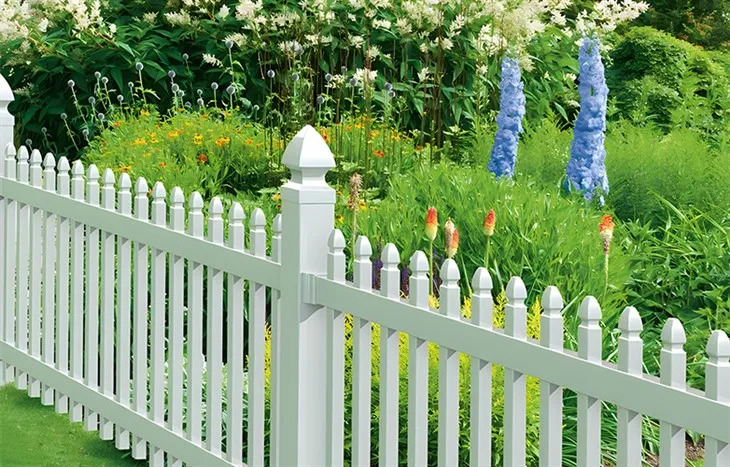

1. Vinegar Solution
Vinegar is a natural and effective cleaning agent. It has antibacterial and antifungal properties that can help kill mold. Mix equal parts of white vinegar and water in a spray bottle. Spray the solution directly onto the moldy areas of the fence. Let it sit for about 15 - 20 minutes to allow the vinegar to penetrate and break down the mold. Then, use a soft - bristled brush to scrub the affected areas gently. Rinse the fence thoroughly with a garden hose.
2. Bleach Solution
Bleach is a powerful disinfectant that can effectively kill mold. However, it should be used with caution as it can damage the vinyl if not diluted properly. Mix one part bleach with four parts water in a bucket. Use a sponge or a sprayer to apply the solution to the moldy areas. Be sure to work in a well - ventilated area as bleach fumes can be harmful. Let the bleach solution sit on the fence for about 10 minutes. Then, scrub the areas with a brush and rinse the fence thoroughly. Avoid using bleach on colored vinyl fences as it may cause discoloration.
3. Commercial Mold Cleaners
There are many commercial mold cleaners available in the market. Look for a cleaner specifically designed for vinyl surfaces. Follow the instructions on the product label carefully. These cleaners usually come in a ready - to - use spray bottle or a concentrated form that needs to be diluted. Apply the cleaner to the moldy areas, let it work for the recommended time, and then scrub and rinse the fence.
Cleaning Process
- Pre - cleaning Inspection
Before you start cleaning, inspect the fence for any loose pickets or damaged parts. If you find any, it's best to repair them before proceeding with the cleaning. This will ensure that the cleaning process doesn't cause further damage to the fence. - Rinse the Fence
Use a garden hose to rinse the entire fence. This will remove any loose dirt and debris, making the cleaning process more effective. Start from the top of the fence and work your way down. - Apply the Cleaning Solution
Depending on the cleaning solution you've chosen, apply it to the moldy areas of the fence. Make sure to cover all the affected spots evenly. If you're using a spray bottle, hold it about 6 - 8 inches away from the fence and spray in a sweeping motion. - Scrubbing
After the cleaning solution has had time to work, use a soft - bristled brush to scrub the moldy areas. A brush with nylon bristles is ideal as it won't scratch the vinyl. Start at the top of the affected area and work your way down in a circular motion. Apply gentle pressure to avoid damaging the fence. - Rinsing
Once you've scrubbed all the moldy areas, rinse the fence thoroughly with a garden hose. Make sure to remove all the cleaning solution and loosened mold from the fence. Rinse from the top down to prevent streaking. - Drying
Allow the fence to dry completely. This may take a few hours, depending on the weather conditions. Avoid using the fence until it's dry to prevent any dirt or debris from sticking to the wet surface.
Preventing Future Mold Growth
Cleaning the mold is only half the battle. To prevent future mold growth, you need to take some preventive measures.
- Trim Vegetation
If your fence is surrounded by trees, shrubs, or other vegetation, trim them regularly. This will increase air circulation around the fence and reduce the amount of shade and moisture. - Improve Drainage
Make sure that the area around the fence has proper drainage. Standing water can contribute to mold growth. If necessary, install a drainage system or grade the ground away from the fence. - Regular Cleaning
Establish a regular cleaning schedule for your picket vinyl fence. A simple rinse with a garden hose every few weeks can help prevent dirt and moisture from accumulating.
Different Types of Picket Vinyl Fences
As a picket vinyl fence supplier, I offer a variety of picket vinyl fences to suit different customer needs. You can explore our Closed Picket Vinyl Fence, which provides more privacy compared to other styles. Our Gothic Vinyl Picket Fence adds an elegant and decorative touch to your property. And for those with corners in their fencing layout, our Corner Vinyl Picket Fence is a perfect solution.
Contact for Purchase and Consultation
If you're interested in purchasing a picket vinyl fence or need more advice on fence maintenance, we're here to help. Our team of experts can provide you with detailed information about our products and assist you in choosing the right fence for your property. Whether you're dealing with mold issues or planning a new fence installation, feel free to reach out to us. We look forward to working with you to enhance the beauty and functionality of your outdoor space.
References
- "Vinyl Fence Maintenance Guide" - National Association of Vinyl Fence Manufacturers
- "Mold Remediation: Best Practices" - Environmental Protection Agency