


Hey there! As a picket vinyl fence supplier, I often get asked whether picket vinyl fences are environmentally friendly. It's a hot topic these days, and rightfully so. With more and more people looking to make eco - conscious choices, it's essential to understand the environmental impact of the products we offer. So, let's dive right in and break it down.
The Basics of Picket Vinyl Fences
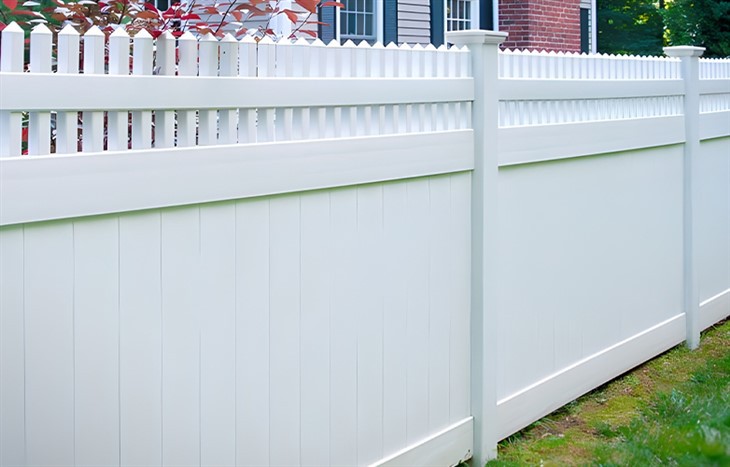
First off, what exactly are picket vinyl fences? Well, they're a type of fencing made from vinyl, a synthetic plastic material. These fences come in a variety of styles, like the Curved Vinyl Picket Fence, Gothic Vinyl Picket Fence, and Closed Picket Vinyl Fence. They're popular for their aesthetic appeal, durability, and low - maintenance nature.
Production and the Environment
Let's start with the production process. Vinyl is made from two main ingredients: chlorine, which comes from salt, and ethylene, which is derived from petroleum. The extraction and processing of these raw materials do have an environmental impact. Petroleum extraction, for example, can lead to habitat destruction, water pollution, and greenhouse gas emissions.
However, the vinyl industry has made significant strides in recent years. Many manufacturers now use more energy - efficient production methods. They've also found ways to reduce waste during the manufacturing process. Some companies recycle vinyl scraps and use them in new products, which helps to cut down on the amount of new raw materials needed.
Lifespan and Durability
One of the big environmental benefits of picket vinyl fences is their long lifespan. Unlike wooden fences, which can rot, warp, or be damaged by pests, vinyl fences can last for decades. This means that you don't have to replace them as often. When you think about it, fewer replacements mean less demand for new materials and less waste going to landfills.
For instance, a well - maintained picket vinyl fence can last 20 to 30 years. In contrast, a wooden fence might only last 10 to 15 years. Over time, the reduced need for replacement can have a positive impact on the environment.
Maintenance and Chemical Use
Another aspect to consider is maintenance. Wooden fences often require regular staining, painting, and treatment with chemicals to protect them from the elements and pests. These chemicals can be harmful to the environment. They can leach into the soil, contaminate water sources, and even pose a risk to human health.
On the other hand, picket vinyl fences are incredibly low - maintenance. You can usually just hose them down with water to keep them clean. There's no need for harsh chemicals or treatments. This not only saves you time and money but also reduces the environmental impact associated with chemical use.
Recycling and End - of - Life
What happens when a picket vinyl fence reaches the end of its life? Well, the good news is that vinyl is recyclable. Although the recycling process for vinyl is more complex than for some other materials, it's still possible. Some recycling facilities can break down old vinyl fences into their basic components and use them to make new products.
However, the reality is that not all vinyl fences are recycled. There's still a lack of widespread recycling infrastructure for vinyl. This is an area where the industry needs to improve. But as more people become aware of the importance of recycling, I'm hopeful that we'll see more investment in vinyl recycling facilities.
Comparing with Other Fencing Materials
Let's compare picket vinyl fences with other common fencing materials.
Wood
As we've already mentioned, wood has a relatively short lifespan and requires a lot of maintenance. It also comes from trees, and if not sourced sustainably, deforestation can occur. On the plus side, wood is a renewable resource, but only if managed properly.

Metal
Metal fences, like aluminum or wrought iron, are also durable. However, the production of metal involves high - energy processes, which contribute to greenhouse gas emissions. Metal can also rust over time, especially in humid environments, which may require additional treatments.
Chain - Link
Chain - link fences are inexpensive and easy to install. But they're not very aesthetically pleasing, and they can be a safety hazard, especially for children. The production of chain - link also has an environmental impact, similar to that of other metal products.
The Bottom Line
So, are picket vinyl fences environmentally friendly? Well, it's a bit of a mixed bag. On one hand, the production process has some environmental drawbacks, mainly due to the use of petroleum - derived ethylene. But on the other hand, their long lifespan, low - maintenance nature, and potential for recycling make them a more environmentally friendly option compared to some other fencing materials.
As a picket vinyl fence supplier, I'm committed to promoting more sustainable practices. I work with manufacturers who are constantly looking for ways to reduce their environmental impact. And I encourage my customers to recycle their old vinyl fences when they're no longer needed.
Why Choose Us
If you're in the market for a picket vinyl fence, I'd love to help you out. Our fences are not only stylish and durable but also come from manufacturers who are conscious of their environmental footprint. We offer a wide range of styles, including the Curved Vinyl Picket Fence, Gothic Vinyl Picket Fence, and Closed Picket Vinyl Fence.
If you have any questions or want to discuss your fencing needs, don't hesitate to reach out. We're here to help you make an informed decision that's both good for your property and the environment.
References
- "The Vinyl Institute: Environmental Stewardship in the Vinyl Industry." The Vinyl Institute.
- "Fencing Materials and Their Environmental Impact." Journal of Sustainable Building Materials.
- "Recycling of Vinyl Products: Challenges and Opportunities." International Journal of Recycling and Waste Management.