



When it comes to road safety infrastructure, two terms that are often mentioned are guardrails and road fences. As a road fence supplier, I've encountered numerous clients who are confused about the differences between these two. In this blog, I'll delve into the distinctions between guardrails and road fences, their unique features, and applications.
Definition and Basic Function
A guardrail is a barrier designed to prevent vehicles from leaving the roadway, especially in areas where there is a significant risk of run - off - road accidents, such as on curves, near bridges, or at the edge of steep slopes. Its primary function is to redirect a vehicle back onto the road in a controlled manner if it veers off the pavement. Guardrails are engineered to absorb and dissipate the energy of a vehicle impact, reducing the severity of the crash and protecting the occupants inside the vehicle.
On the other hand, a road fence, as the name implies, is a fence installed along the road. Road fences serve multiple purposes, including delineating the boundary of the road, preventing unauthorized access to the road area, and protecting pedestrians and nearby properties from traffic. They can also be used to separate different traffic lanes or to enclose specific areas adjacent to the road, like rest areas or construction sites.
Design and Structure
Guardrails are typically made of strong materials such as steel or concrete. Steel guardrails are common because they offer a good balance between strength and flexibility. They are usually in the form of corrugated sheets supported by posts at regular intervals. The corrugated design allows the guardrail to bend and absorb the impact energy when a vehicle hits it. Concrete guardrails, on the other hand, are more rigid. They are often used in high - speed areas or where a more permanent and robust barrier is required.
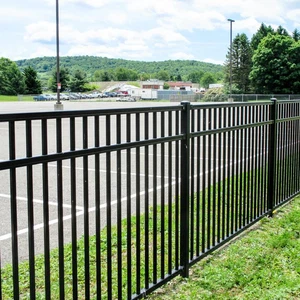
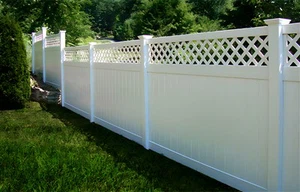
Road fences, in contrast, come in a wide variety of designs and materials. Chain - link fences are a popular choice for road fences due to their affordability and visibility. They are made of interlocking steel wires and are easy to install. Wooden fences can also be used, especially in more rural or scenic areas, as they blend well with the natural environment. Additionally, there are plastic and vinyl fences, which are lightweight, low - maintenance, and available in different colors. For more heavy - duty applications, like Dock Road Fencing, metal fences with a stronger structure are used to withstand potential impacts from large vehicles.
Installation Location
Guardrails are mainly installed in high - risk areas where the consequences of a vehicle leaving the road are severe. For example, they are commonly found on highways near sharp curves, at the edges of overpasses or bridges, and along mountain roads with steep drop - offs. The installation of guardrails requires careful engineering and planning to ensure that they are properly aligned and anchored to provide effective protection.
Road fences have a broader range of installation locations. They can be installed along the entire length of a road to mark its boundary, especially in urban areas or residential neighborhoods. Road fences are also used around construction sites to keep unauthorized personnel out and protect the public from potential hazards. In addition, they can be found at rest areas, parking lots, and along the edges of industrial areas adjacent to roads. Highway Road Fence is specifically designed for highway applications, providing separation and protection in these high - traffic areas.
Impact Resistance
As mentioned earlier, guardrails are designed to withstand high - energy impacts from vehicles. They are tested to meet strict safety standards to ensure that they can effectively redirect a vehicle and prevent it from going off the road. The design and installation of guardrails are carefully calculated based on factors such as vehicle speed, weight, and the angle of impact.
Road fences, while they may also need to withstand some level of impact, are generally not designed to handle the same level of force as guardrails. Their main purpose is more about delineation and basic protection rather than high - energy impact absorption. For example, a chain - link road fence may be sufficient to stop a pedestrian or a small animal from entering the road, but it would not be able to withstand a direct hit from a speeding vehicle like a guardrail can.
Maintenance Requirements
Guardrails require regular maintenance to ensure their continued effectiveness. This includes inspecting for damage, such as dents or broken sections, and making repairs or replacements as needed. Corrosion is also a concern for steel guardrails, so they may need to be painted or treated periodically to prevent rust.
Road fences generally have lower maintenance requirements. Chain - link fences may need occasional tightening of loose wires or replacement of damaged sections. Wooden fences may require staining or sealing to protect them from the elements. Plastic and vinyl fences are relatively maintenance - free, only needing to be cleaned occasionally to keep them looking good.
Aesthetic Considerations
Guardrails are mainly functional structures, and while efforts are made to make them as unobtrusive as possible, their appearance is often secondary to their safety function. They are usually painted in bright colors like yellow or white to increase visibility, but their overall design is focused on strength and performance.
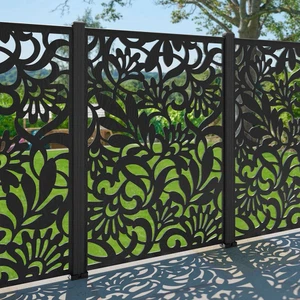
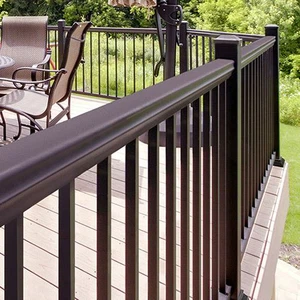
Road fences offer more flexibility in terms of aesthetics. They can be designed to complement the surrounding environment. For example, in a residential area, a decorative wooden fence can enhance the curb appeal of the neighborhood. In a commercial area, a modern - looking metal fence can give a professional and secure impression.
Cost
The cost of guardrails is relatively high due to their specialized design and high - strength materials. The installation of guardrails also requires professional engineering and labor, which adds to the overall cost. Additionally, the maintenance cost over the lifespan of a guardrail can be significant.
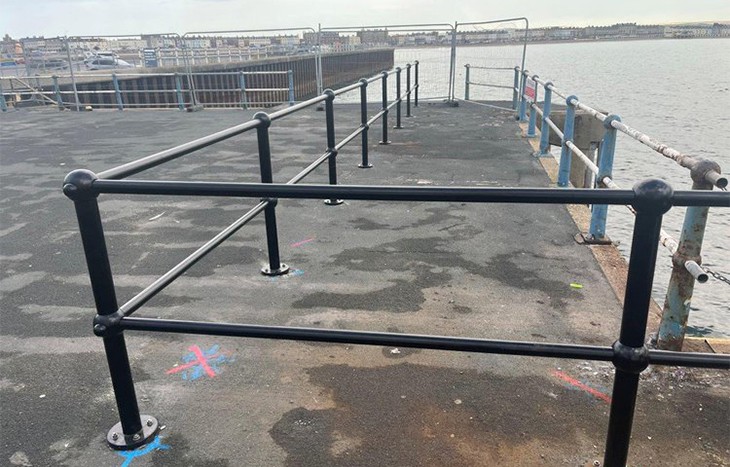

Road fences are generally more cost - effective. The materials for road fences, such as chain - link, wood, or plastic, are more affordable, and the installation process is often simpler and less labor - intensive. This makes road fences a popular choice for projects with budget constraints.
Applications in Different Road Types
On highways, guardrails play a crucial role in protecting high - speed vehicles from running off the road. They are carefully placed at strategic locations to minimize the risk of serious accidents. Highway Road Fence is also used on highways, mainly for separating different lanes, protecting roadside facilities, and preventing animals from entering the roadway.
In urban areas, road fences are more commonly used to mark the boundaries of roads, protect pedestrians, and enhance the safety of residential and commercial areas. They can also be used to enclose public spaces like parks or playgrounds near roads. Guardrails may be used in some high - traffic urban areas, such as near busy intersections or on elevated roads.
In rural areas, guardrails are installed in areas with high accident risks, such as sharp bends or near water bodies. Road fences, especially wooden or chain - link fences, are used to mark property boundaries along the road and to keep livestock away from the traffic.
Conclusion
In summary, while both guardrails and road fences are important for road safety, they have distinct differences in design, function, installation, and cost. Guardrails are specialized safety barriers designed to prevent vehicles from leaving the road in high - risk situations, while road fences are more versatile structures used for delineation, protection, and aesthetic purposes.
As a road fence supplier, I understand the unique needs of different projects and can provide a wide range of road fence solutions. Whether you need a simple chain - link fence for a residential area or a heavy - duty Road Safety Fence for a commercial project, I can offer high - quality products and professional installation services.
If you are in the market for road fences, I invite you to contact me for more information and to discuss your specific requirements. I'm committed to providing the best road fence solutions to meet your safety and aesthetic needs.
References
- Federal Highway Administration. (n.d.). Roadside Design Guide.
- American Association of State Highway and Transportation Officials (AASHTO). (n.d.). Standard Specifications for Highway Bridges.
- Local traffic safety regulations and guidelines.