



As a seasoned stair handrail supplier, I've witnessed firsthand the diverse range of profiles that stair handrails can take. Each profile serves a unique purpose, catering to different aesthetic preferences, safety requirements, and environmental conditions. In this blog post, I'll delve into the various profiles of stair handrails, exploring their characteristics, applications, and benefits.
Round Profiles
Round handrails are perhaps the most common and widely recognized profile in the industry. Their smooth, curved surface provides a comfortable grip, making them ideal for both residential and commercial applications. The circular shape also distributes pressure evenly across the hand, reducing fatigue during extended use.
One of the key advantages of round handrails is their versatility. They can be used in a variety of settings, from traditional to contemporary, and can complement any architectural style. Additionally, round handrails are relatively easy to install and maintain, making them a popular choice for DIY projects.
In outdoor applications, Steel Handrail Outdoor with a round profile are a great option. Steel is a durable and weather-resistant material that can withstand the elements, ensuring long-lasting performance. The round profile also adds a touch of elegance to the outdoor space, enhancing its aesthetic appeal.


Square Profiles
Square handrails offer a more modern and angular look compared to round profiles. Their straight edges and sharp corners give them a sleek and contemporary appearance, making them a popular choice for minimalist and industrial-style designs.
In addition to their aesthetic appeal, square handrails provide a secure grip, especially for users with larger hands. The flat surface of the handrail allows for a more stable hold, reducing the risk of slipping. Square handrails are also available in a variety of materials, including steel, aluminum, and wood, allowing for greater customization options.
For indoor applications, Metal Stair Handrail Indoor with a square profile are a great choice. Metal handrails are durable, easy to clean, and can be finished in a variety of colors and textures to match the interior decor. The square profile adds a touch of sophistication to the indoor space, creating a stylish and functional focal point.
Oval Profiles
Oval handrails combine the comfort of a round profile with the modern look of a square profile. Their elongated shape provides a unique and elegant appearance, making them a popular choice for high-end residential and commercial projects.
The oval profile also offers a comfortable grip, similar to a round handrail, but with a more ergonomic design. The wider surface area of the handrail allows for a more natural and relaxed grip, reducing hand fatigue. Oval handrails are available in a variety of materials, including stainless steel, brass, and bronze, allowing for greater customization options.
In addition to their aesthetic appeal and comfort, oval handrails are also highly durable and resistant to corrosion. They are suitable for both indoor and outdoor applications, making them a versatile choice for any project.
Rectangular Profiles
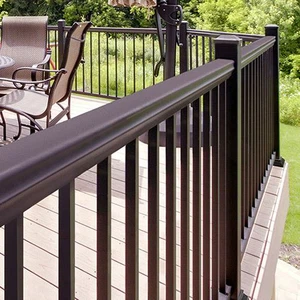
Rectangular handrails are similar to square handrails, but with a more elongated shape. Their flat surface and straight edges provide a secure grip, making them a popular choice for commercial and public buildings.
Rectangular handrails are available in a variety of sizes and thicknesses, allowing for greater flexibility in design. They can be used in a variety of applications, including staircases, ramps, and balconies, and can be finished in a variety of colors and textures to match the surrounding environment.
One of the key advantages of rectangular handrails is their strength and durability. They are able to withstand heavy use and are resistant to damage, making them a reliable choice for high-traffic areas. Rectangular handrails are also relatively easy to install and maintain, making them a cost-effective option for many projects.
Decorative Profiles
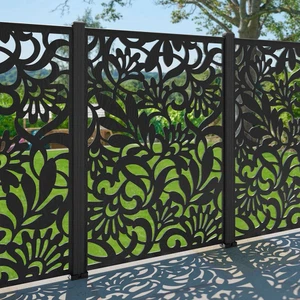
Decorative handrails are designed to add a touch of elegance and style to any staircase or railing system. They are available in a variety of shapes, sizes, and materials, allowing for greater customization options.
Decorative handrails can feature intricate designs, such as scrolls, curves, and patterns, or they can be simple and understated. They can be made from a variety of materials, including wood, metal, glass, and stone, and can be finished in a variety of colors and textures to match the surrounding environment.
In addition to their aesthetic appeal, decorative handrails can also provide a functional purpose. They can be used to enhance the safety of a staircase or railing system by providing a secure grip, or they can be used to separate different areas of a building.
Conclusion
In conclusion, the different profiles of stair handrails offer a wide range of options for any project. Whether you're looking for a traditional round handrail, a modern square handrail, or a decorative handrail, there is a profile that will meet your needs and preferences.
As a stair handrail supplier, I have the expertise and experience to help you choose the right handrail profile for your project. I can provide you with detailed information about the different profiles, their characteristics, and their applications, and I can assist you in selecting the right materials and finishes to match your design vision.
If you're interested in learning more about the different profiles of stair handrails or if you have any questions about our products and services, please don't hesitate to contact me. I would be happy to discuss your project with you and provide you with a free quote.
References
- American Society of Civil Engineers. (2017). Minimum Design Loads and Associated Criteria for Buildings and Other Structures. ASCE/SEI 7-16.
- International Building Code. (2021). International Code Council.
- National Fire Protection Association. (2020). Life Safety Code. NFPA 101.