


As a stair handrail supplier, I often receive inquiries about different types of materials for stair handrails. One question that has been coming up more frequently lately is, "Can I use a bamboo stair handrail?" In this blog post, I'll explore the viability of bamboo as a material for stair handrails, discussing its advantages, disadvantages, and practical considerations.

Advantages of Bamboo Stair Handrails
Sustainability
Bamboo is widely recognized as one of the most sustainable materials on the planet. It is a fast - growing grass that can reach maturity in as little as 3 - 5 years, compared to traditional hardwoods that may take decades. This rapid growth rate means that bamboo can be harvested and replenished much more quickly, making it an environmentally friendly choice for eco - conscious consumers.
Aesthetic Appeal
Bamboo has a unique and natural aesthetic that can add warmth and character to any staircase. Its smooth, grainy texture and earthy tones create a sense of tranquility and harmony, making it a popular choice for both modern and traditional interior designs. Whether you're aiming for a rustic, bohemian look or a sleek, contemporary style, a bamboo handrail can complement your decor perfectly.
Lightweight yet Strong
Despite its relatively lightweight nature, bamboo is surprisingly strong. It has a high strength - to - weight ratio, which means it can withstand significant stress and weight without breaking or warping. This makes it suitable for use as a stair handrail, where it will need to support the weight of people leaning on it or using it for balance.
Cost - Effective
In many cases, bamboo is more cost - effective than other materials such as metal or hardwood. Its abundance and ease of cultivation contribute to its relatively low price, making it an attractive option for budget - conscious homeowners or contractors.
Disadvantages of Bamboo Stair Handrails
Durability in Harsh Environments
While bamboo is strong, it may not be the best choice for outdoor or high - humidity environments. Bamboo is a natural material that can be susceptible to moisture damage, rot, and insect infestation if not properly treated. In areas with high levels of humidity or frequent exposure to water, the bamboo may warp, crack, or decay over time.
Fire Resistance
Bamboo is a combustible material, which means it has a relatively low fire resistance compared to materials like metal or concrete. In buildings where fire safety is a major concern, such as commercial or multi - family residential properties, a bamboo handrail may not meet the required fire safety codes.
Limited Design Options
Compared to materials like metal, which can be easily shaped and fabricated into a wide variety of designs, bamboo has more limited design options. Its natural shape and structure may restrict the types of styles and configurations that can be achieved, which may be a drawback for those with specific design requirements.
Practical Considerations for Using Bamboo Stair Handrails
Treatment and Maintenance
To ensure the longevity of a bamboo stair handrail, it is essential to treat it properly before installation and maintain it regularly. This may involve applying a protective sealant or finish to prevent moisture damage and insect infestation. Additionally, the handrail should be cleaned regularly with a mild detergent and water to remove dirt and debris.
Installation
Proper installation is crucial for the safety and stability of a bamboo stair handrail. It should be securely fastened to the staircase using appropriate hardware and techniques. Since bamboo is a relatively soft material compared to metal, special care must be taken to ensure that the fasteners do not cause splitting or damage to the bamboo.
Local Building Codes
Before installing a bamboo stair handrail, it is important to check the local building codes and regulations. Some areas may have specific requirements regarding the materials, dimensions, and installation of stair handrails to ensure the safety of occupants. Make sure that a bamboo handrail meets all the necessary codes and standards.
Comparison with Other Materials
Metal Stair Handrail Indoor
If you're considering an indoor stair handrail, Metal Stair Handrail Indoor offers unique advantages. Metal handrails, such as those made from stainless steel or wrought iron, are extremely durable and can withstand heavy use. They also come in a wide range of designs, from simple and contemporary to ornate and traditional. Metal handrails are also fire - resistant and require minimal maintenance, making them a practical choice for high - traffic areas.
Steel Handrail Outdoor
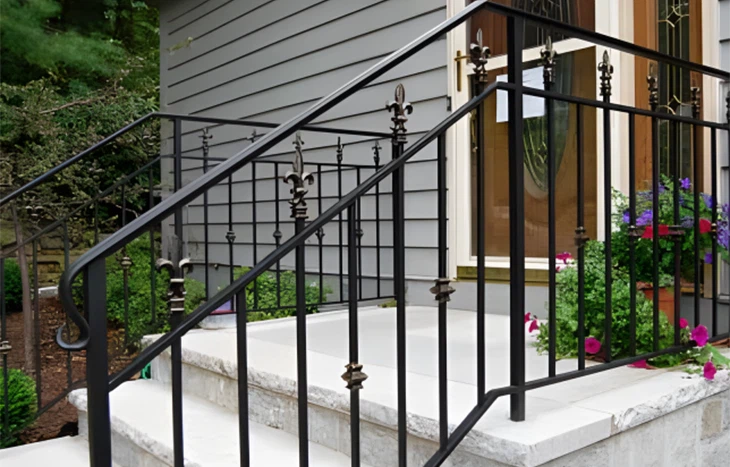
For outdoor applications, Steel Handrail Outdoor is often a better option than bamboo. Steel is highly resistant to corrosion, weathering, and impact, making it suitable for use in all types of outdoor environments. It can also be powder - coated or painted to match the aesthetic of your outdoor space.
Conclusion
So, can you use a bamboo stair handrail? The answer is yes, but with some important considerations. Bamboo can be a great choice for indoor stair handrails in low - humidity environments where its natural beauty and sustainability are valued. However, it may not be the best option for outdoor or high - traffic areas, or where fire safety and durability are top priorities.
If you're still unsure whether a bamboo stair handrail is right for your project, or if you're interested in exploring other material options, I encourage you to reach out to us. As a stair handrail supplier, we have the expertise and experience to help you make an informed decision and find the perfect handrail for your needs. Contact us to start a conversation about your stair handrail requirements and let's work together to create a safe and beautiful staircase.
References
- "Bamboo: A Sustainable Building Material", Green Building Magazine
- "Building Codes and Regulations for Stair Handrails", National Building Code Council
- "Comparative Analysis of Building Materials for Stair Handrails", Journal of Construction Materials Research